Pollution from burning garden waste?
Meet the residents saying “no thanks!”
Burning wood and garden waste can feel like an easy way to tidy up your garden, but did you know the smoke releases harmful particles that pollute the air we breathe?
The good news is that there are healthier, more sustainable ways to manage excess garden waste.
We’ve spoken to some local gardeners who say no to pollution and yes to clean air!
Here’s what they had to say ⤵️
🐞 Creating habitats
“People don’t realise that any habitat you create, however small, is valuable to wildlife”, says Denise, Gardening Volunteer Coordinator at Friends of Portswood Rec.
“We try to make use of the garden waste that we generate. Partly to make our own compost, but also to create new habitats for wildlife. Things like log piles, and piles of twigs and leaves, provide temporary homes for insects and other small creatures, and gradually rot down to return goodness to the soil.
“We’ve also used materials found in the park to create a bug hotel!”
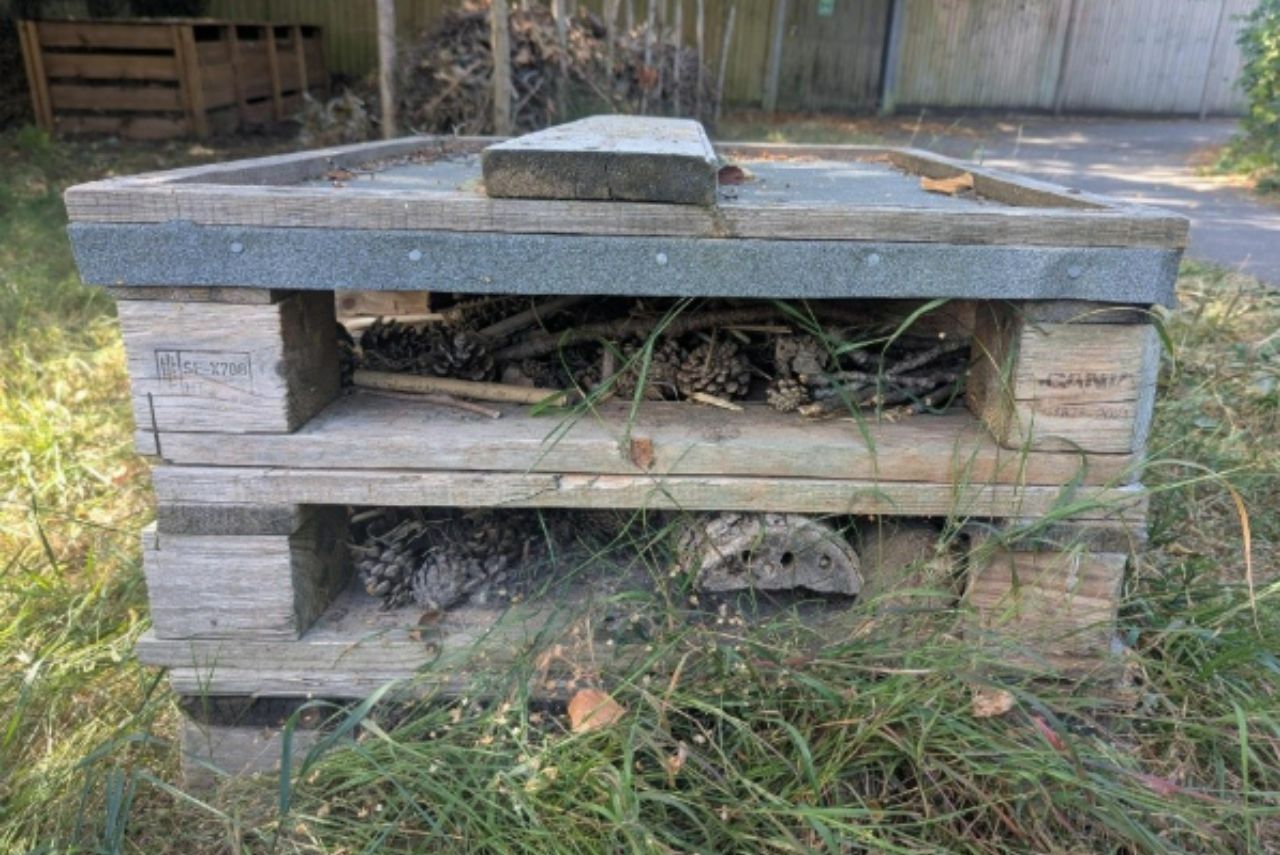
The Friends of Portwood Rec volunteer team has also created a dead hedge from woody material that would otherwise take a long time to compost. The hedge continuously breaks down at the base and is fed from the top with fresh wood and brash.
It’s another great habitat for wildlife, and the hedge creates an attractive screen for the compost bins!
Compost generated on site is used on the borders in the garden area. The team enjoys knowing that it is organic and peat free, and the best choice environmentally. They’ve even used wood prunings to make wigwams and other plant supports to use across the site.
It feels good to think that as far as possible, we have a circular system, that puts the waste created at the Rec to good use, both for the wildlife and for the wider environment!
Denise, Friends of Portswood Rec
Composting
Composting is a great way to return nutrients to the earth, but not all households have the need or the space to compost at home.
As Sara, a Southampton resident, explains, “the council’s waste collection services have been really helpful for things I don’t want to re-grow in the garden.”
Sara often has two bags when working in the garden: one for easily compostable material to use herself, and one for anything she doesn’t want in her vegetable plot. That way, she can use what she needs while sending the rest off to the council to compost instead.
For me, it’s about returning everything to the soil, where it’s meant to go. When plants grow, they absorb carbon and produce biomass. If you burn it, that releases it back into the atmosphere where it does no good, but if you keep it in the soil, that’s where life can be sustained.
Sara, a Southampton resident
Sara shares a garden waste bin subscription with her neighbour; a great way to save money if the subscription cost is a concern.
Finding alternative uses
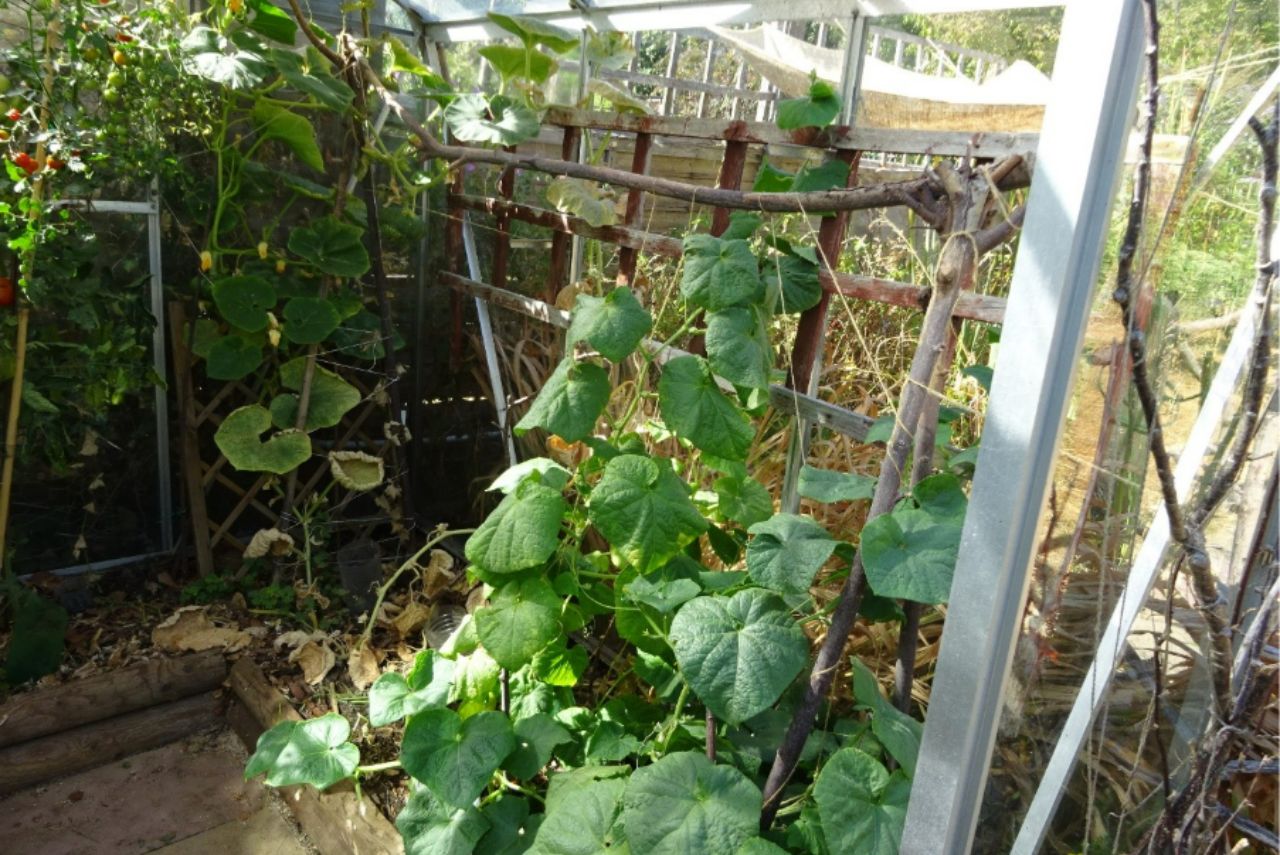
At Aldermoor Farm, woody cuttings are a valuable resource.
“We tend not to talk about waste. We talk about inputs and outputs; we look at what each part of the farm needs and produces”, says Richard, Land and Volunteer Lead. “A garden is lots of interconnected little systems that need different things.”
What might present a problem in one area of the farm can create a solution elsewhere. For example, they use chippings to create a path in between vegetable plots. This supresses weeds, and retains water nearby the beds. Over time, the chippings break down into compost, which is a source of nutrients.
“Composting wood is a very slow process, but we don’t mind, because it’s happening while it’s a path. In permaculture, there’s a phrase called “stacking functions”. This path is a stacking function, because it provides moisture retention, a compost bay and a path.”
This is just one of the many creative ways that woody off-cuts can be used without needing a bonfire. You can find out more about permaculture practices at Aldermoor Farm by visiting their website.
🚫 Tackling problem areas – what about invasive species?
Some people believe the best way to manage an invasive species is to burn it, but Mac, Conservation Lead at Sholing Valley Study Centre, offers an alternative:
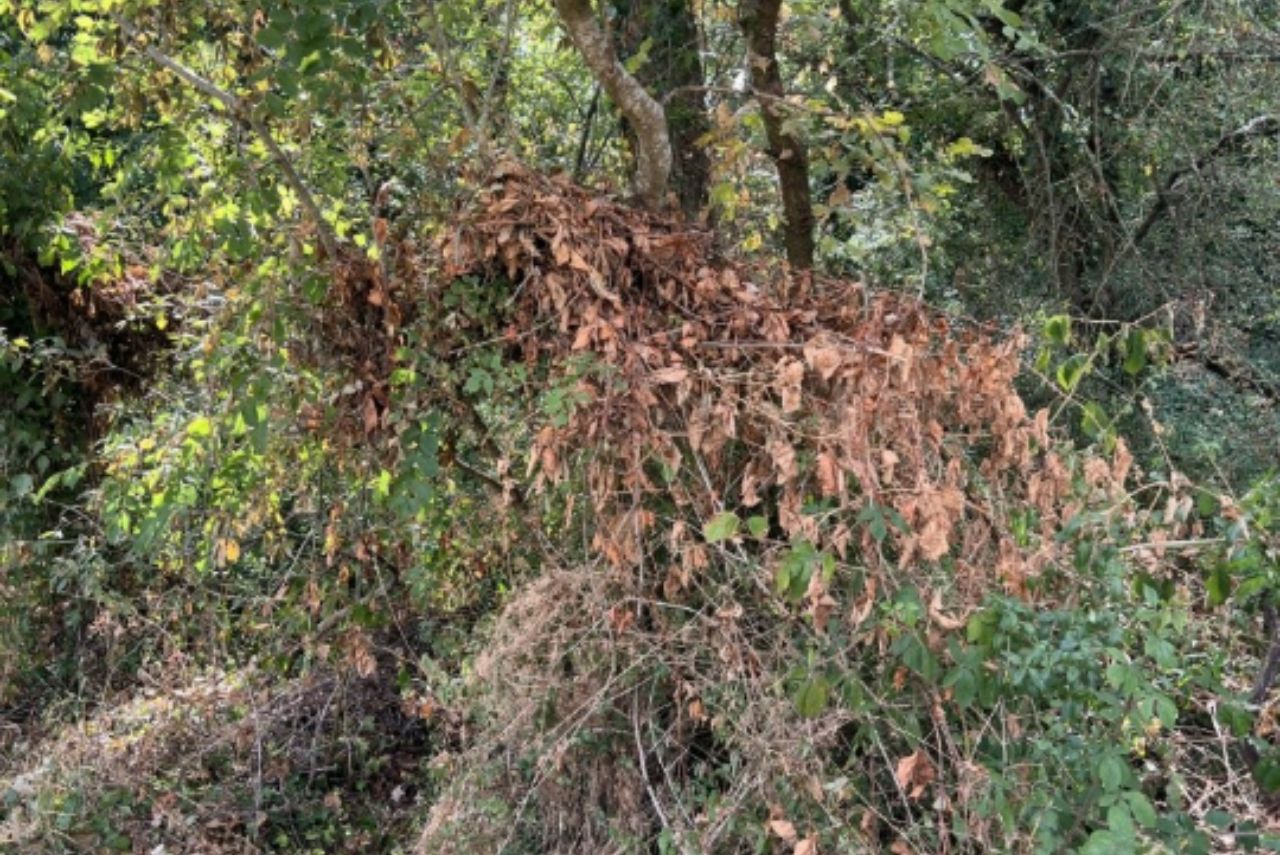
“We hang invasive species out to dry.”
“It’s not waste; it’s a resource for us. It’s about allowing processes to continue rather than disrupting them.”
Leaving it close to where it was grown helps prevent the roots from spreading to new areas. If the invasive species were to be moved across the site to burn it, it may spread even more than if it was uprooted and left where it was.
Sholing Valley Study Area also uses woody materials to create living and dead hedges across the site, preferring traditional methods to using a woodchipper.
🧑🌾 Feeling inspired? Now it’s your turn!
Can you take these inspiring ideas from local Southampton residents and apply them to your own garden or green space?
There are so many alternatives to burning that are creative, resourceful, and great for wildlife, and you can try one today!
We’d love to know how you manage excess garden waste without burning it.
