Garden waste has so much to give 🌿
Spring is finally here! With warmer weather and longer days, many of us are starting to clear gardens and allotments, tidy up winter debris, and get ready for new growth.
Before you get stuck in, it’s worth thinking: instead of burning your green waste, are there alternatives that can benefit your soil, the environment, and your neighbours?
Here are a few simple ways to make the most of your spring green waste.
Compost
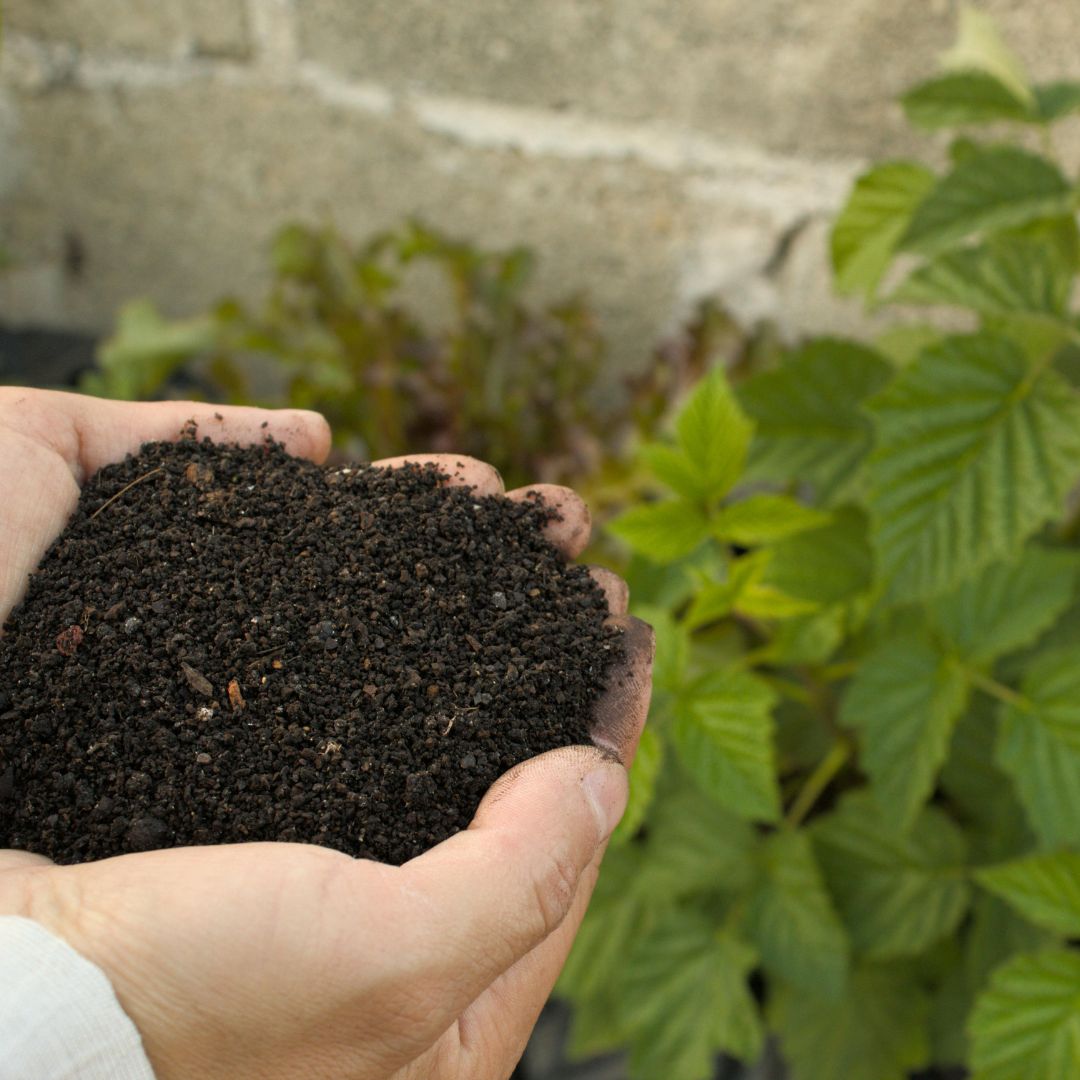
Where possible, think compost first. Turning your garden and allotment waste into nutrient-rich feed boosts plant health, reduces waste, and improves your soil ecosystem.
It’s also a more environmentally friendly option than burning, as it returns carbon to the soil instead of releasing it as smoke.
What to compost:
- Soft, leafy green waste such as grass clippings and annual weeds
- Dry, woody waste like prunings and hedge trimmings (shredded, chipped, or chopped)
- Fruit and vegetable peelings from your kitchen
- Shredded paper and cardboard
Spring is a perfect time to start a compost bin for the first time. You can find guidance on getting started on the RHS website. Compost bins are widely available at local DIY stores or online.
Cut back and mulch
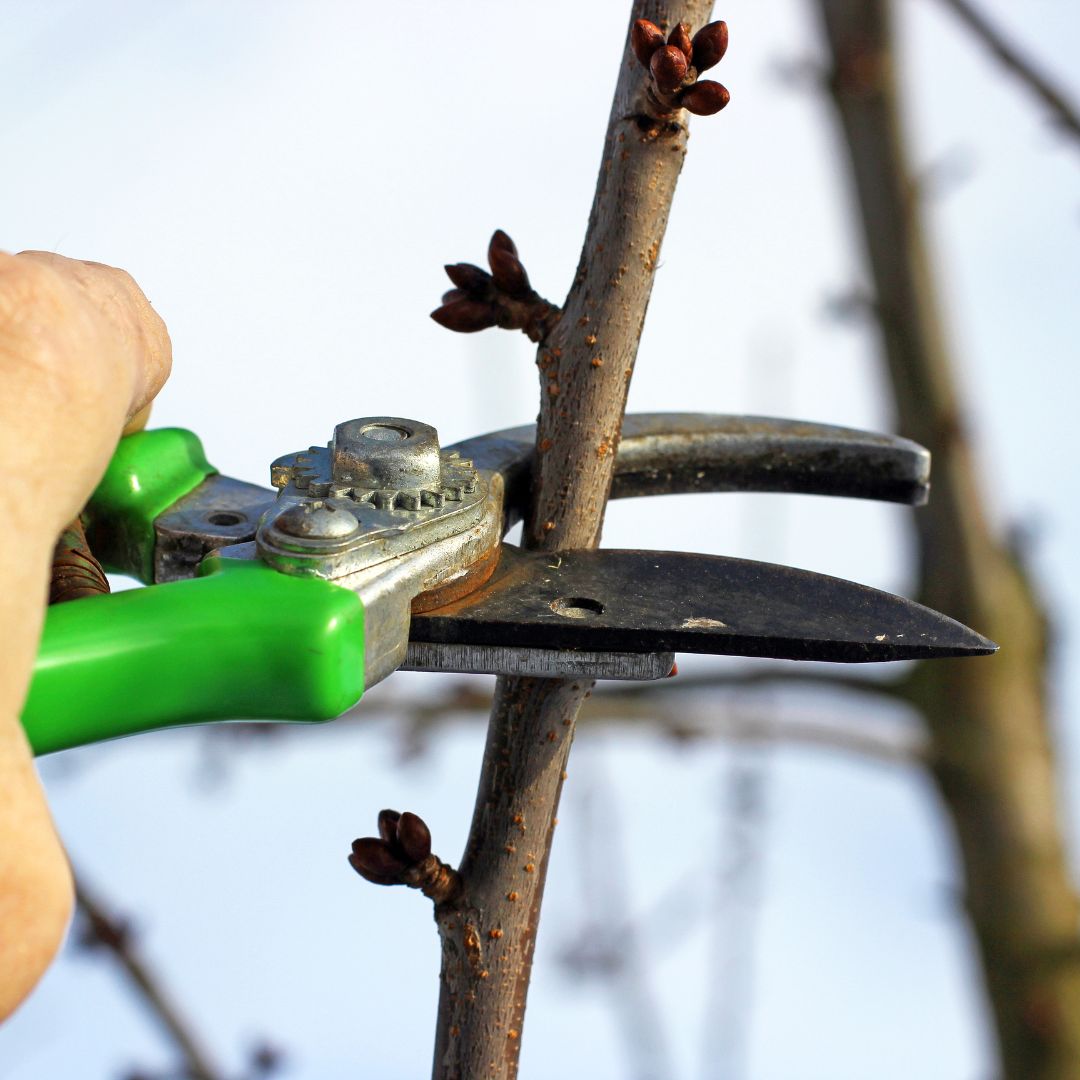
Trimming back the stems of hardy perennials and garden grasses in early spring is a great way to create mulch while tidying your garden or allotment. By doing both at once, you recycle plant material without having to remove it from your garden.
- Chop old stems into short, matchstick-sized pieces with hand shears or a hedge trimmer
- Scatter evenly around plants to form a natural, nourishing mulch layer
You can find more ideas for your garden waste on the RHS website.
Extra tip – perennial weeds: Soak perennial weeds in a bucket of water for a few weeks. This produces a nutrient-rich liquid feed you can use to give your plants a natural boost.
Local garden waste collection services (gardeners only)
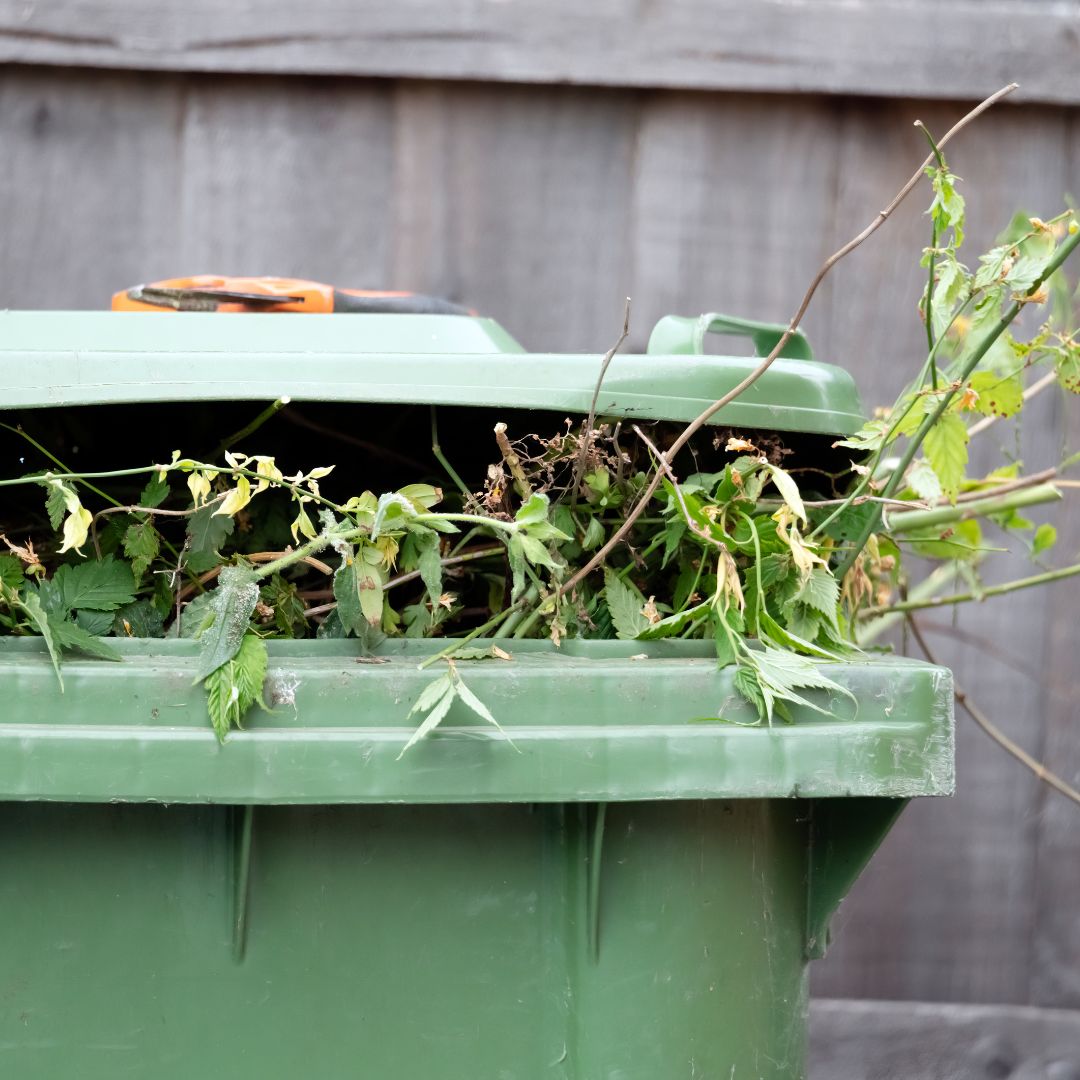
Not everything can go in your compost heap. Many councils, including Southampton City Council, provide a garden waste collection service for:
- Grass cuttings, plant clippings, and prunings
- Cut flowers, weeds, fallen fruit (windfall)
- Leaves, twigs, and bark
Sign up for Southampton’s garden waste collection here, or find out more about what can be collected on their FAQs.
For items that can’t be collected, such as soil, stones, or larger woody waste, take them to your nearest Household Waste Recycling Centre (HWRC).
Logs and woody waste (gardeners and allotment holders)
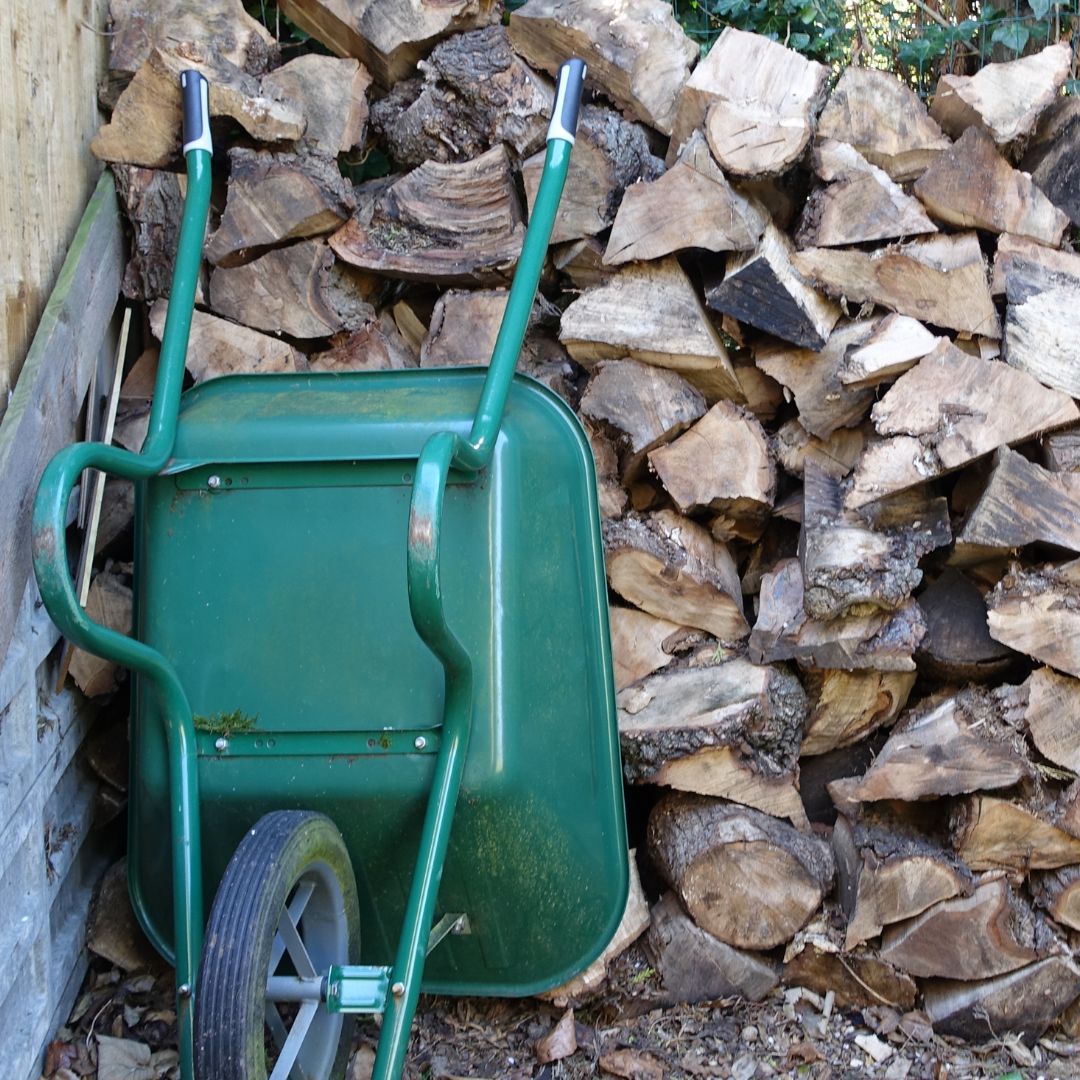
Using logs and prunings in the garden helps make the most of natural materials, while also being kinder to local air quality than burning.
If you have logs lying around, there are a few ways to make them useful:
- Use them to line garden beds or paths
- Stack them to create a wildlife-friendly refuge
Alternatively, try the hügelkultur technique to create a raised bed that will slowly feed your plants over time. It works by layering woody material under soil, where it gradually breaks down to improve your growing conditions:
- In a bed or designated area, place large logs at the bottom, add twigs and smaller branches, then layer green garden waste and top with soil
This creates a rich, fertile soil, retains moisture, and helps your garden or allotment thrive naturally. See how it works in practice in this short video from BBC Gardeners’ World.
Choosing composting, recycling or green waste collection over burning is a small step with a big impact – for your soil, your garden or allotment, and your community.
